Hillary Proctor is a UI/UX Design Director at EA
Over a decade on The Sims and nearly two decades in design, I grew from individual contributor to directing local and global teams, executive initiatives, and AI growth across the franchise and studio. I lead direction across UI and UX: distinct, bright, whimsical systems that close the gap between a beloved brand and the game players live in, with the design operations behind it.
Creative & Visual Direction
I set the visual language for major franchises: the style, the system, the emotional tone, built from the ground up and held across everything players see.
Leading Global Teams
I lead 12 visual designers within a 40-person XD organization of internal and global partner designers, holding one visual bar across time zones and cultures.
Player-Driven Strategy
I ground every direction in research across current, new, and lapsed players, and I advocate for the player in every leadership conversation.
AI Transformation & Ops
I own AI adoption for the team: a living roadmap of AI initiatives built from listening to designers, a design browser, a gen-AI icon tool with custom LoRA training (built by a team of 8 I lead), the exec decks that fund it, and the resource planning and headcount briefs behind it.
Executive Communication
I turn direction into the executive story: narrative decks and sign-off documents, framed in leadership's language, that win the funding to build the work.
Cross-Functional Leadership
I partner with engineering and leadership on the calls that matter: tech-stack direction, trade-offs, and the roadmaps that depend on them.
Visual UI Direction
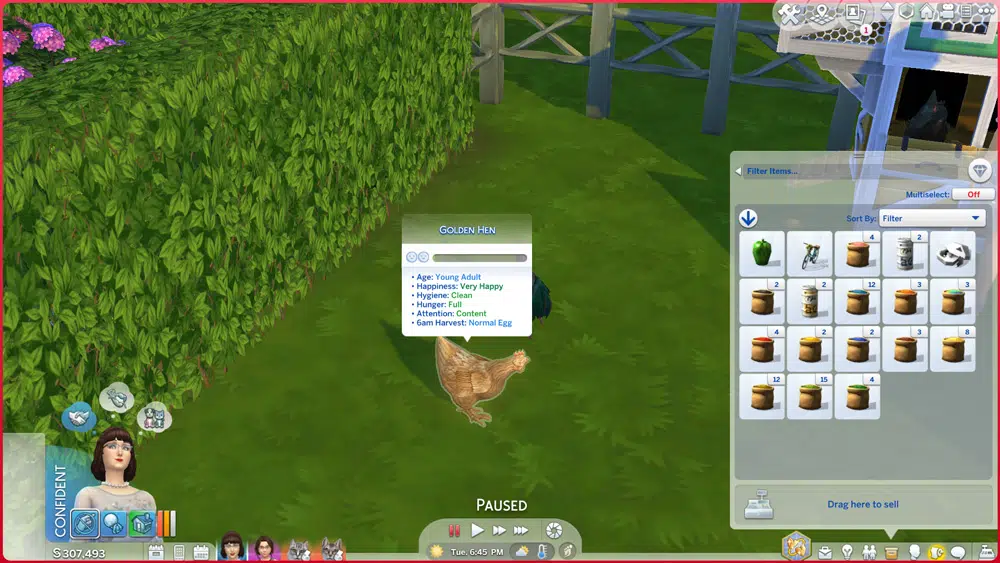
Set the complete UI visual direction for a new entry in a major franchise, aligning leadership, leading a global team across four regions, and validating the call with four player studies.
🔒 Reach out for the private versionAI-Powered Workflow
Pitched the idea to leadership, then led a team of 8 to build a generative-AI icon tool: a custom LoRA trained on our game's icon styles, delivered as a Figma plugin designers never have to leave, now used by external and internal teams across all types of projects.
Tech Stack Tool
Led the UI-design side of a cross-functional stack evaluation, forming and advocating a clear point of view on migration, risk, and the hidden cost of staying on legacy UI middleware.